


Embracing Holiday Traditions to Strengthen Family Bonds
- Latasia Dixon
- Dec 1, 2025
- 4 min read

Holiday traditions hold a special place in many families. They are more than just rituals or festive activities; they serve as powerful tools to deepen faith, create lasting memories, and strengthen family connections. When families come together to celebrate Christian holidays with meaningful traditions, they build a foundation of love and shared values that can last a lifetime.
The Role of Holiday Traditions in Christian Families
Holiday traditions provide a rhythm and structure to family life, especially during significant Christian celebrations such as Christmas, Easter, and Advent. These traditions help families focus on the spiritual meaning behind the holidays while also enjoying time together.
Creating a sense of belonging
Traditions give family members a shared identity. When children grow up participating in the same holiday customs year after year, they feel connected to their family history and faith community.
Passing down faith and values
Traditions often include Bible readings, prayers, and hymns that teach children about the life of Jesus, the importance of love and forgiveness, and the hope found in Christian belief.
Providing comfort and stability
In a world that changes rapidly, holiday traditions offer a comforting sense of continuity. They remind families of God’s unchanging love and presence.
Examples of Meaningful Christian Holiday Traditions
Families can choose from many traditions or create their own to celebrate Christian holidays in ways that resonate with their faith and culture.
Christmas Traditions
Advent wreath and calendar
Lighting candles each week during Advent helps families prepare their hearts for the coming of Christ. An Advent calendar with Bible verses or small acts of kindness can engage children in the spiritual journey.
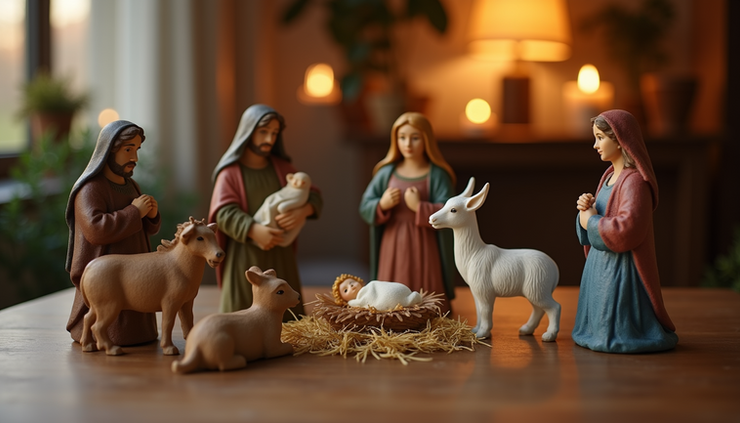
Nativity scenes
Setting up a nativity display invites reflection on the birth of Jesus. Some families reenact the nativity story with costumes, which helps children understand the story in a hands-on way.
Christmas Eve candlelight service
Attending a candlelight service together can be a powerful moment of worship and unity. It emphasizes the light of Christ coming into the world.
Easter Traditions
Holy Week observances
Participating in services or family devotions during Holy Week helps families remember Jesus’ sacrifice and resurrection. Simple rituals like washing feet or sharing a Seder meal can deepen understanding.
Easter sunrise service
Gathering early to celebrate the resurrection at sunrise symbolizes new life and hope.
Egg hunts with a message
While egg hunts are fun, some families include a spiritual message by hiding eggs with Bible verses or symbols of resurrection.
Other Traditions to Consider
Family prayer time
Setting aside time during holidays for family prayer strengthens spiritual bonds.
Charitable acts
Serving others during the holiday season reflects Christ’s love and teaches generosity.
Sharing testimonies
Family members can share stories of faith and gratitude, encouraging one another.
How Traditions Build Stronger Family Bonds
Holiday traditions create opportunities for meaningful interaction and emotional connection. Here’s how they help families grow closer:
Encouraging teamwork
Preparing for holiday celebrations often involves everyone. Cooking meals, decorating the home, or rehearsing for a Christmas play requires cooperation and shared effort.
Fostering communication
Traditions open space for conversations about faith, values, and family stories. These discussions help family members understand and support each other better.
Creating joyful memories
Positive experiences during holidays build a reservoir of happy memories that family members cherish and revisit.
Teaching patience and gratitude
Waiting for the holiday, sharing gifts, and appreciating time together teach important life lessons rooted in Christian values.
Tips for Creating and Maintaining Holiday Traditions
Building traditions that last takes intention and flexibility. Here are some practical tips:
Start small and simple
Choose one or two meaningful activities to begin with. It’s better to have a few cherished traditions than many forgotten ones.
Include everyone
Involve all family members in planning and carrying out traditions. This creates ownership and excitement.
Adapt as needed
Life changes, and so can traditions. Adjust activities to fit your family’s current situation without losing their core meaning.
Focus on faith
Keep Christ at the center of your celebrations. Use Scripture, prayer, and worship to guide your traditions.
Document your traditions
Write down or record your family’s holiday customs. This helps preserve them for future generations.
The Lasting Impact of Holiday Traditions on Children
Children who grow up with strong holiday traditions often develop a deeper sense of faith and family connection. They learn the importance of community, kindness, and spiritual reflection. These experiences can shape their values and identity well into adulthood.
Parents and grandparents play a crucial role in modeling faith through traditions. When children see adults actively living out their beliefs during holidays, it inspires them to do the same.
Encouraging Community Through Shared Traditions
Holiday traditions can extend beyond the immediate family. Many Christian communities host events like Christmas pageants, Easter egg hunts, and charity drives. Participating in these activities connects families to a larger faith community and reinforces the shared meaning of the holidays.
Final Thoughts on Embracing Holiday Traditions
Holiday traditions are a powerful way to bring Christian families closer together. They provide a framework for celebrating faith, creating memories, and teaching values. By intentionally embracing these traditions, families can experience the true magic of the holidays — a magic rooted in love, hope, and the joy of Christ’s presence.

Comments