


Why Learning Shapes is Essential for Kids
- Latasia Dixon
- Sep 22, 2025
- 4 min read

When you watch a toddler explore the world, you might notice how naturally they are drawn to different shapes. Circles, squares, triangles - these simple forms capture their attention and curiosity. As a parent, you might wonder why teaching shapes is so important. I have found that learning shapes is not just about recognizing forms; it lays a foundation for many other skills your child will develop. In this post, I want to share with you why shape learning benefits your child’s growth in so many meaningful ways.
Understanding Shape Learning Benefits for Your Child
Shape learning benefits your child in ways that go beyond just identifying objects. When children learn shapes, they are actually developing their ability to observe, compare, and categorize. These are critical thinking skills that will help them in school and in everyday life. For example, when your child learns to recognize a circle, they are also learning to notice round objects like wheels, clocks, or even the sun.
You can encourage this learning by pointing out shapes in your home or outside. Say things like, “Look at the round plate” or “The window is a square.” This simple practice helps your child connect shapes to the real world. It also builds their vocabulary and language skills as they describe what they see.

How Shape Learning Benefits Early Development
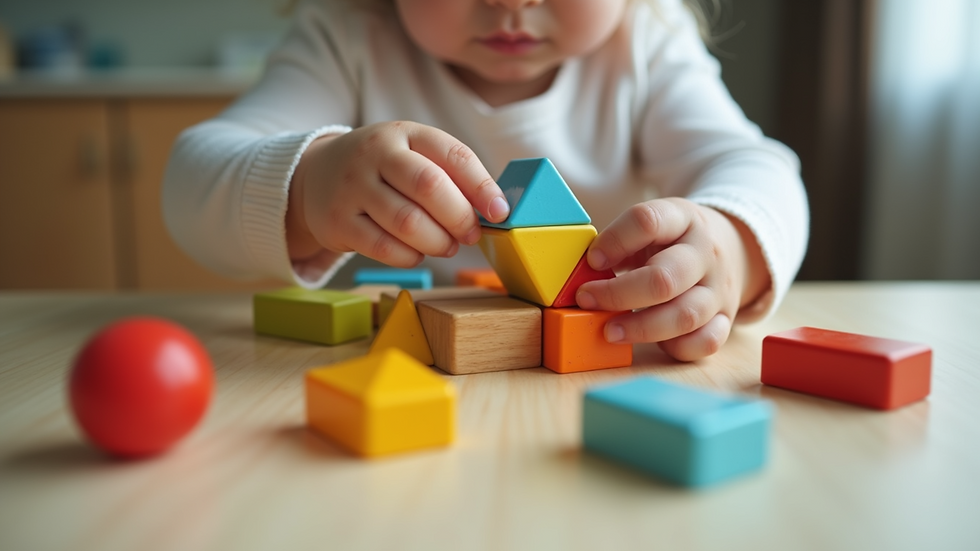
Shape learning benefits early development in several key areas. First, it supports fine motor skills. When children play with shape sorters or puzzles, they practice hand-eye coordination and precision. These activities strengthen the muscles they will use for writing and other tasks.
Second, learning shapes helps with spatial awareness. Your child begins to understand how objects fit together and relate to each other in space. This is important for math skills, such as geometry, and for everyday tasks like packing a bag or setting the table.
Third, shapes are a stepping stone to pattern recognition. Recognizing patterns is a skill that supports reading and math. When children see shapes repeated in a sequence, they start to predict what comes next, which builds their logical thinking.
To support these benefits, you can provide toys and activities that involve shapes. Shape puzzles, building blocks, and drawing shapes with crayons are all excellent choices.
What are the benefits of shape learning?
The benefits of shape learning are wide-ranging and deeply impactful. Here are some of the most important ones:
Cognitive Development - Learning shapes helps children develop problem-solving skills. They learn to identify differences and similarities, which is a foundation for critical thinking.
Language Skills - Talking about shapes introduces new words and concepts. This expands your child’s vocabulary and helps with communication.
Math Readiness - Shapes are the building blocks of geometry. Early shape recognition prepares children for more complex math concepts later on.
Creativity and Imagination - When children draw or build with shapes, they use their imagination. This encourages creative thinking and expression.
Confidence and Independence - Mastering shapes gives children a sense of achievement. This boosts their confidence and encourages them to try new things.
By understanding these benefits, you can see how shape learning fits into your child’s overall growth. It is not just a simple lesson but a key part of their development journey.

Practical Ways to Teach Shapes at Home
You might be wondering how to make shape learning fun and effective at home. Here are some practical ideas you can try:
Shape Hunts: Go on a walk or look around your house and find objects that match different shapes. Make it a game by asking your child to point out circles, squares, or triangles.
Shape Art: Use paper, crayons, and scissors to create pictures using shapes. For example, a house can be made from a square and a triangle.
Story Time with Shapes: Read books that focus on shapes. Many children’s books incorporate shapes into their stories and illustrations.
Shape Sorting Toys: Invest in toys that encourage sorting and matching shapes. These are great for hands-on learning.
Sing Shape Songs: Songs and rhymes about shapes can make learning memorable and enjoyable.
Remember to be patient and encouraging. Every child learns at their own pace, and your gentle support makes a big difference.
Encouraging Faith and Learning Together
As you guide your child through learning shapes, you can also weave in faith-based encouragement. Teaching shapes can be a way to appreciate God’s creation and the order in the world. You might say, “God made the world with many beautiful shapes, like the round sun and the tall trees with triangle leaves.”
This connection helps your child see learning as part of a bigger story. It nurtures a sense of wonder and gratitude. You can pray together, asking for joy in learning and curiosity to explore God’s world.
By combining faith and education, you create a nurturing environment where your child feels loved and supported in every step of their growth.
Embracing the Journey of Learning Shapes
Learning shapes is a joyful and important part of your child’s early years. It builds a foundation for many skills they will use throughout life. By recognizing the learning shapes benefits, you can feel confident in supporting your child’s exploration.
Take time to celebrate small victories and enjoy the moments of discovery together. Your encouragement and involvement make all the difference. Remember, this journey is not just about shapes but about growing curiosity, confidence, and a love for learning.
With warmth and patience, you are helping your child build a strong foundation for the future. Keep exploring shapes together, and watch your little one’s world expand in wonderful ways.

Comments